
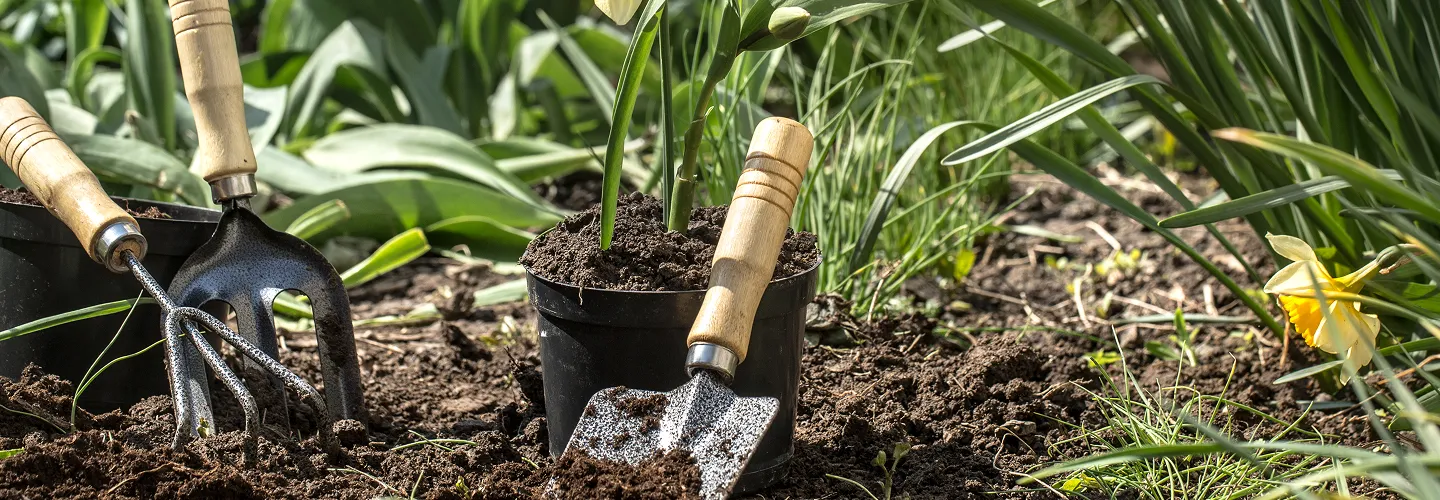
Del Rio Ranch Flower Planting Services
Choose our flower planting services for vibrant, expertly arranged blooms that enhance your curb appeal and thrive in your unique landscape—bringing lasting beauty and joy to your outdoor spaces.
Get a Free QuoteOur Del Rio Ranch Landscaping & Yard Care Services
When to Schedule Flower Planting in Del Rio Ranch, Arizona – Seasonal Guide
In Del Rio Ranch, Arizona, timing your flower planting is crucial for vibrant, long-lasting blooms. The region’s unique climate—marked by hot summers, mild winters, and occasional monsoon rains—means that early spring and late fall are generally the best windows for planting. Local neighborhoods like Estrella Mountain Ranch and the areas near Friendship Park often experience microclimates, so it’s important to consider your specific location within Del Rio Ranch.
Factors such as the last frost date (typically late February), the risk of summer drought, and the alkaline, well-draining soils common to the area all play a role in determining the optimal planting schedule. Shade from mature mesquite and palo verde trees, as well as proximity to irrigation sources, can also impact flower health. For more detailed local guidelines, consult resources like the Town of Sudbury’s environmental recommendations, which offer valuable insights for arid landscapes.
Local Factors to Consider for Flower Planting in Del Rio Ranch
- Tree density and available shade coverage
- Soil composition and drainage (sandy, alkaline soils are common)
- Average precipitation and drought risk during summer months
- Frost dates and temperature fluctuations in early spring and late fall
- Terrain variations, such as slopes or low-lying areas prone to runoff
- Municipal watering restrictions and HOA guidelines
Benefits of Flower Planting in Del Rio Ranch
Enhanced Curb Appeal
Increased Property Value
Attracts Pollinators
Low Maintenance Options
Seasonal Color Variety
Expert Plant Selection
Del Rio Ranch Flower Planting Types

Perennial Flower Beds
-
Annual Flower Displays
-
Native Wildflower Gardens
-
Pollinator-Friendly Plantings
-
Seasonal Bulb Plantings
-
Shade Garden Flowers
-
Drought-Tolerant Flower Beds
Our Flower Planting Process
Site Evaluation
Soil Preparation
Plant Selection
Careful Planting
Watering and Mulching
Why Choose Del Rio Ranch Landscape Services
-
Del Rio Ranch Homeowners Trust Us
-
Expert Lawn Maintenance
-
Reliable Irrigation Solutions
-
Comprehensive Weed Control
-
Professional Tree and Shrub Care
-
Competitive Pricing
-
Satisfaction Guarantee
Coordinating Flower Planting Projects with Del Rio Ranch's Municipal Departments
Del Rio Ranch is a master-planned community situated within the City of Avondale in the Phoenix metro's West Valley, and residents undertaking flower planting projects should coordinate with the appropriate municipal departments. The Avondale Parks, Recreation & Library Department oversees public landscape standards and can provide guidance on plant species that align with community aesthetics and regional water-conservation goals. For projects that involve site grading, irrigation modifications near rights-of-way, or landscape alterations on commercially zoned parcels, the Avondale Development Services department handles development review and code interpretation. Residents should verify whether their HOA imposes additional landscape-plan requirements before beginning planting work.
- Confirm any landscape-plan review requirements through the community's HOA architectural committee
- Coordinate with Avondale Development Services if planting involves frontage modifications or site-plan changes
- Review sustainability resources offered by the city for guidance on water-efficient planting
Avondale Parks, Recreation & Library Department
Official Website: Avondale Parks, Recreation & Library Department
Avondale Development Services
Official Website: Avondale Development Services
How Del Rio Ranch's Low-Desert Heat and Alkaline Soils Affect Flower Planting
Del Rio Ranch sits in USDA Hardiness Zone 9b within the low Sonoran Desert, where summer temperatures routinely exceed 110°F and winter lows rarely dip below the mid-30s. These conditions sharply limit the palette of flowering plants that can establish and persist. Soils throughout the West Valley tend to be alkaline sandy loam, often with caliche layers at varying depths that restrict root penetration and impede drainage. The USDA Web Soil Survey can help property owners identify the specific soil series present on their parcel before amending beds.
- Alkaline pH (commonly 7.5–8.5) can lock out iron and other micronutrients, causing chlorosis in non-adapted species
- Caliche hardpan may require mechanical breaking or raised-bed construction to allow adequate root depth
- Reflected heat from block walls, concrete driveways, and decomposed-granite surfaces intensifies radiant exposure on south- and west-facing beds
- Monsoon storms from July through September deliver intense, short-duration rainfall that can wash out newly planted beds and carry sediment into storm drains
- Irrigation dependence is year-round; even drought-tolerant flowering species require supplemental drip irrigation during establishment
The Arizona Department of Water Resources provides landscaping guidance that encourages hydrozoning—grouping plants by water need—to reduce waste and protect flower investments.
Navigating Del Rio Ranch's Stormwater and Landscape Compliance for Flower Planting
Flower planting in Del Rio Ranch must account for the City of Avondale's stormwater management obligations under the Arizona DEQ Phase II MS4 program. Soil disturbance, fertilizer application, and irrigation runoff from planting beds can introduce sediment, nutrients, and organic debris into the municipal storm-drain system, which ultimately discharges to area washes. Property owners and landscape contractors should ensure that excess soil, mulch, and amendment materials do not migrate into curb inlets or drainage channels.
- Keep stockpiled soil and amendments away from street gutters and retention-basin edges
- Apply granular or slow-release fertilizers at rates appropriate to the specific flowering species to minimize nutrient runoff
- Avoid applying soil amendments or pesticides immediately before forecast monsoon events
- Verify that any chemical weed-control products used in flower beds are applied by individuals holding proper credentials under Arizona Department of Agriculture licensing requirements
The Avondale Water Quality division provides pollution-prevention resources relevant to residential and commercial landscape activities.
Avondale Water Quality
Official Website: Avondale Water Quality
Timing and Methods for Flower Planting in Del Rio Ranch's Desert Climate
Professional flower planting in the low desert follows two primary installation windows. The fall window—mid-October through November—allows cool-season annuals such as petunias, snapdragons, stock, and pansies to establish root systems before the mild winter growing period. The spring window—late February through early March—targets warm-season and desert-adapted perennials, including lantana, desert marigold, angelita daisy, and salvia, which need time to root before extreme summer heat arrives. Planting outside these windows significantly increases transplant shock and mortality.
- Soil preparation: Amend native alkaline soil with sulfur and compost to improve structure and lower pH in the root zone; break through caliche if present within the top 18 inches
- Emitter placement: Position drip emitters at the root ball perimeter, not directly against stems, to encourage outward root growth and reduce crown rot
- Mulch application: Apply 2–3 inches of organic or decorite mulch around plantings to moderate soil temperature and reduce evaporation, keeping mulch pulled back from stems
- Exposure assessment: Select south- and west-facing beds for full-sun desert perennials; reserve east- and north-facing exposures for species sensitive to afternoon radiant heat
- Post-planting irrigation: Water newly installed flowers daily for the first week, then taper to every two to three days as roots establish, adjusting for seasonal evapotranspiration rates
The USDA Plant Hardiness Zone Map confirms Del Rio Ranch's Zone 9b classification, which should guide species selection for both annuals and perennials.
What Neighborhoods Do We Serve Throughout Del Rio Ranch, AZ?
- Del Rio Ranch Phase I — Established lots with mature desert landscaping and block-wall perimeters that create significant reflected heat on south-facing flower beds
- Del Rio Ranch Phase II — Newer subdivision fill soils may require additional amendment and compaction testing before planting beds are established
- Del Rio Ranch Phase III — Larger lot configurations in some sections allow for expanded planting areas with multiple hydrozones and varied sun exposures
- Crystal Gardens — Properties near community open-space corridors benefit from partial shade but may face increased monsoon runoff near retention features
- Avondale Gardens — Older irrigated lots with established trees provide filtered-light conditions suitable for shade-tolerant flowering species such as impatiens and begonias