
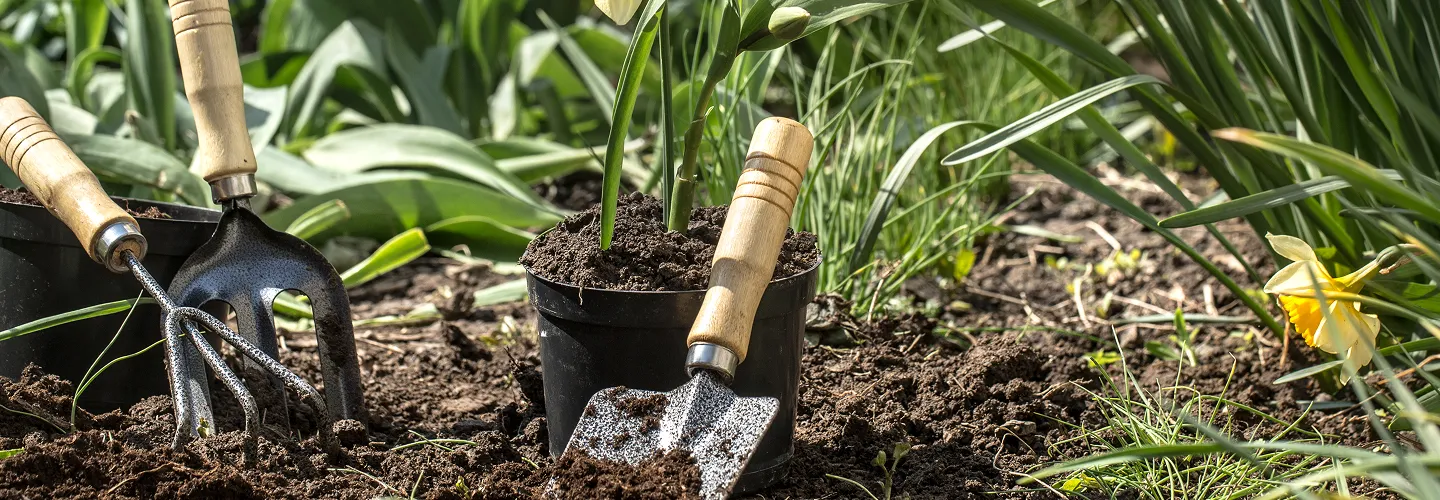
Del Rio Ranch Plant Removal Services
Choose our Plant Removal service for safe, efficient, and eco-friendly clearing—making room for your next project while protecting your property and the environment.
Get a Free QuoteOur Del Rio Ranch Landscaping & Yard Care Services
When to Schedule Plant Removal in Del Rio Ranch, Arizona – Seasonal Guide
In Del Rio Ranch, Arizona, the timing of plant removal is crucial for maintaining healthy landscapes and ensuring long-term curb appeal. The region’s unique climate—marked by hot, dry summers and mild winters—means that the best periods for plant removal are typically late fall through early spring. This window avoids the peak heat and drought conditions common in neighborhoods like Estrella Mountain Ranch and near the Agua Fria River, reducing stress on your soil and remaining vegetation.
Local environmental factors such as frost dates, which usually occur between late December and early February, should be considered to prevent damage to surrounding plants. Soil in Del Rio Ranch tends to be sandy and well-draining, but areas with more shade or proximity to irrigation ditches may retain moisture longer, affecting removal timing. Additionally, municipal guidelines and HOA restrictions in communities like Rancho Santa Fe may influence when and how plant removal can be performed. For more information on local regulations, visit the official municipal resource.
Local Factors to Consider for Plant Removal in Del Rio Ranch
- Tree and shrub density in your yard
- Terrain slope and accessibility
- Seasonal precipitation and drought risk
- Frost dates and temperature fluctuations
- Shade coverage from nearby structures or mature trees
- Soil type and drainage characteristics
- Municipal or HOA restrictions on removal timing
Benefits of Plant Removal in Del Rio Ranch
Expert Landscaping Team
Efficient Plant Removal
Eco-Friendly Disposal Methods
Improved Curb Appeal
Customized Landscaping Solutions
Competitive Pricing
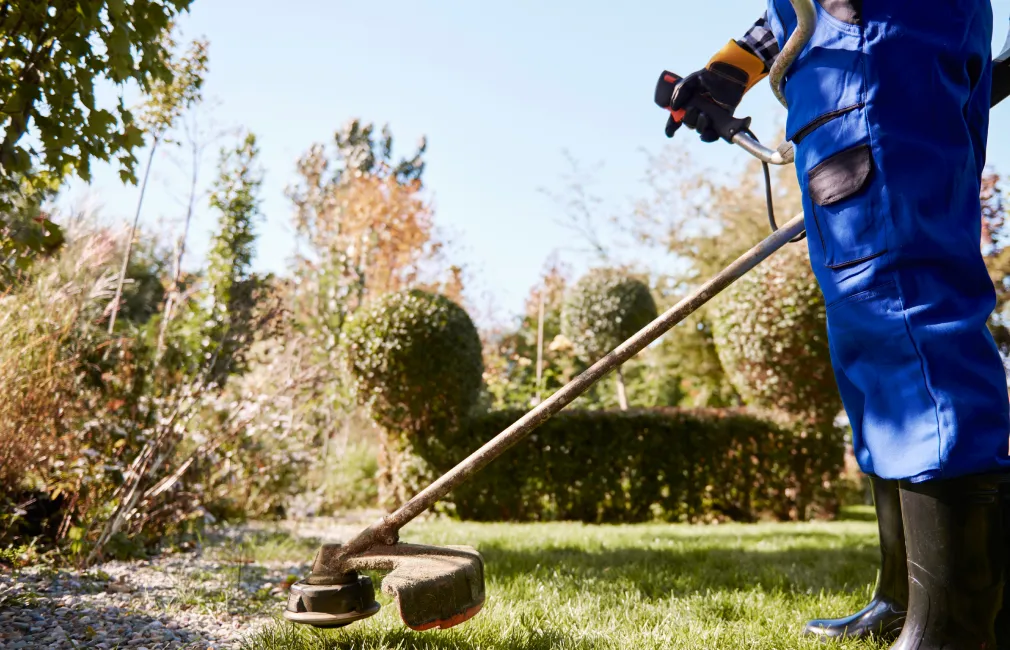
Del Rio Ranch Plant Removal Types

Tree Removal
-
Shrub Removal
-
Stump Grinding
-
Invasive Species Removal
-
Root System Extraction
-
Hedge Clearing
-
Overgrown Vegetation Cleanup
Our Plant Removal Process
Site Evaluation
Preparation and Safety Measures
Plant Extraction
Debris Removal
Site Restoration
Why Choose Del Rio Ranch Landscape Services
-
Del Rio Ranch Homeowners Trust Us
-
Expert Lawn Maintenance
-
Reliable Irrigation Solutions
-
Comprehensive Weed Control
-
Professional Tree and Shrub Care
-
Competitive Pricing
-
Satisfaction Guarantee
Coordinating Plant Removal Disposal and Site Cleanup in Del Rio Ranch
Plant removal in the Del Rio Ranch area requires coordination with the City of Avondale's municipal departments to ensure proper disposal of organic debris and compliance with local site-management expectations. Because Del Rio Ranch falls within Avondale's jurisdiction, residents and property managers should direct questions about green waste collection, bulk organic pickup, and right-of-way clearance through the city's public works division. When plant removal generates large volumes of root material, stems, or soil-bound debris, property owners should verify current bulk disposal procedures and accepted material types before placing anything curbside or arranging haul-off.
- Confirm whether removed plant material qualifies for the city's green waste or bulk collection program before scheduling removal work
- Coordinate with public works if plant removal occurs near a public right-of-way, drainage inlet, or sidewalk corridor
- Ensure that no excavated soil, root masses, or organic debris enters storm drains or adjacent wash channels
Avondale Public Works Department
Official Website: Avondale Public Works Department
For projects that involve site disturbance near drainage infrastructure or engineered channels, the Avondale Engineering Department can provide guidance on grading impacts and stormwater flow protection.
Avondale Engineering Department
Official Website: Avondale Engineering Department
How Del Rio Ranch's Low-Desert Soils and Heat Shape Plant Removal
Del Rio Ranch sits within the Phoenix metropolitan low desert, classified under USDA Hardiness Zone 9b to 10a, where extreme summer temperatures regularly exceed 110°F and annual rainfall averages under eight inches. These conditions directly influence how plant removal is planned and executed. Soils throughout the area tend to be alkaline sandy loam or compacted subdivision fill, frequently underlain by caliche hardpan that can extend several feet below grade. Root systems of established desert-adapted plants such as mesquite, palo verde, and oleander often penetrate deeply into fractured caliche layers, making extraction more labor-intensive than in loamy or uncompacted soils.
- Caliche layers may require mechanical breaking or specialized equipment to fully extract root crowns and prevent regrowth
- Alkaline soil conditions can cause certain invasive species to establish aggressively in disturbed areas after removal
- Monsoon-season storms between July and September generate intense runoff that can erode exposed soil left after plant extraction
- Reflected heat from block walls, concrete, and decomposed granite surfaces accelerates desiccation of exposed root zones, which can complicate post-removal stabilization
Property owners should also account for irrigation infrastructure embedded near plant root zones, as drip emitters, supply lines, and valve boxes are frequently entangled with mature root systems in Del Rio Ranch's residential landscapes.
Navigating Avondale's Regulatory Framework for Plant Removal Compliance
Plant removal in Del Rio Ranch must align with both municipal code requirements and applicable state environmental regulations. The City of Avondale's Development Services department oversees site work review and can advise whether specific plant removal projects—particularly those involving grading, drainage alteration, or frontage changes—trigger a development review or code compliance inquiry. Property owners should verify current requirements with the department before beginning large-scale removal that alters lot drainage or exposes significant soil area.
- Any plant removal that generates sediment runoff into storm drains or washes must comply with Arizona DEQ stormwater regulations and the Clean Water Act
- If chemical herbicides are used to treat stumps or prevent regrowth, applicators must hold valid credentials under the Arizona Department of Agriculture's licensing program
- Removal of species listed under the Arizona Department of Agriculture's noxious weed program may carry specific handling and disposal obligations
Avondale Development Services
Official Website: Avondale Development Services
The Avondale Water Quality division provides additional guidance on preventing pollutant discharge during site disturbance associated with plant removal.
Timing and Professional Methods for Plant Removal in Del Rio Ranch
Scheduling plant removal around Del Rio Ranch's seasonal extremes is essential for site stability and worker safety. The optimal removal window generally falls between late October and early April, when temperatures are moderate enough for sustained outdoor labor and the monsoon season's erosion risk has passed. Removing plants during peak summer heat increases the likelihood of rapid soil desiccation and dust generation, while monsoon-season removal leaves freshly exposed ground vulnerable to sheet erosion and sediment transport toward retention basins and curb inlets.
- Cut vegetation to ground level before excavating root crowns to reduce debris volume and improve equipment access
- Stabilize exposed soil immediately after removal using decomposed granite, erosion blankets, or replacement plantings to prevent wind and water erosion
- Inspect and cap or reroute any irrigation lines severed during root extraction to avoid water waste and subsurface saturation
- Dispose of all removed plant material through approved channels; do not deposit organic debris in washes, vacant lots, or drainage easements
- When removing plants adjacent to block walls or foundations, monitor for soil settlement that could undermine structural footings
Professional operators should also verify whether removed species have allelopathic properties—such as certain Eucalyptus or Ailanthus varieties—that may inhibit replanting success if root fragments or decomposing material remain in the soil.
What Neighborhoods Do We Serve Throughout Del Rio Ranch, AZ?
- Del Rio Ranch Phase 1 — Established lots with mature oleander hedges and mesquite trees that may require root-zone excavation near block walls and irrigation mainlines
- Del Rio Ranch Phase 2 — Newer subdivision fill soils and compact lot layouts where plant removal often involves working around closely spaced drip irrigation systems and decorative rock
- Crystal Gardens — Properties near retention basins and engineered drainage channels where post-removal stabilization is critical to prevent sediment migration during monsoon events
- Avondale Gardens — Older irrigated residential lots with deep-rooted landscape plants that may have grown into caliche layers, requiring mechanical extraction
- Coldwater Springs — Homes adjacent to open desert or wash corridors where invasive species removal must account for erosion control and native habitat protection