
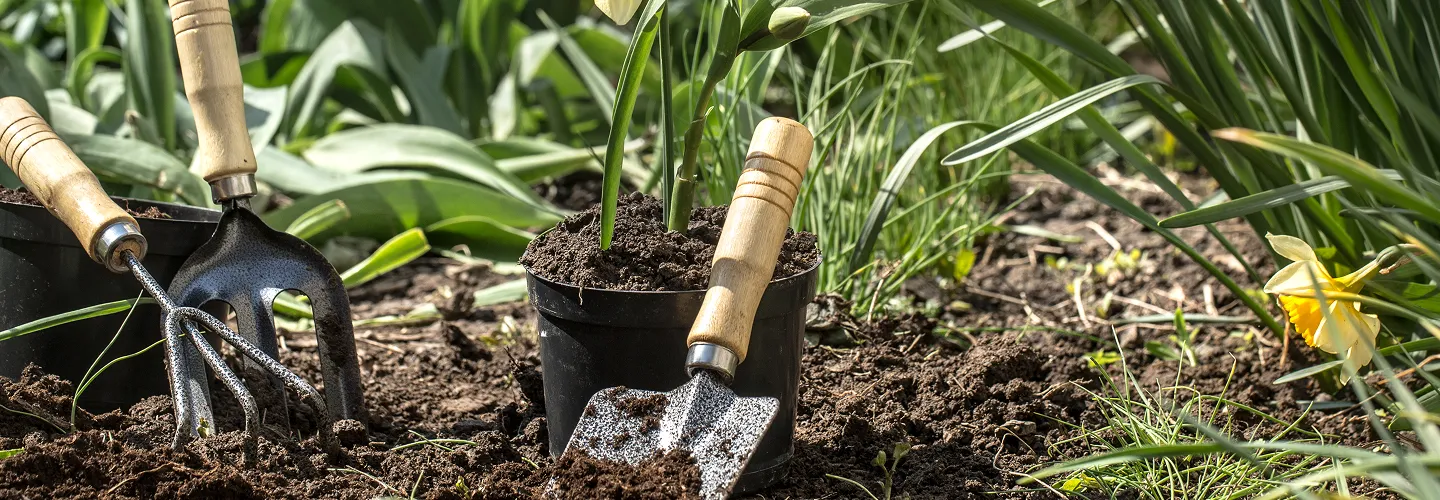
Del Rio Ranch Lawn Renovation Services
Choose our Lawn Renovation services for expert care, premium materials, and a commitment to transforming tired, patchy grass into a lush, healthy landscape you’ll love for years to come.
Get a Free QuoteOur Del Rio Ranch Landscaping & Yard Care Services
When to Schedule Lawn Renovation in Del Rio Ranch, Arizona – Seasonal Guide
In Del Rio Ranch, Arizona, timing your lawn renovation is crucial for achieving a lush, healthy yard that thrives in our unique desert climate. The best periods for lawn renovation are typically early spring and early fall, when temperatures are moderate and the risk of extreme heat or frost is minimal. These windows allow new grass seed or sod to establish strong roots before the intense summer sun or cooler winter nights set in. Neighborhoods near Estrella Mountain Regional Park and along the Agua Fria River often experience microclimates, so it's important to consider your specific location within Del Rio Ranch.
Local environmental factors such as late spring frost dates, periods of drought, and varying soil types—ranging from sandy loam to clay—play a significant role in determining the optimal renovation schedule. Areas with dense shade from mature mesquite or palo verde trees, like those found near the community center, may require different timing and grass varieties. For more information on local weather patterns and municipal guidelines, consult resources like the Sudbury town website.
Local Factors to Consider for Lawn Renovation in Del Rio Ranch
- Tree density and shade coverage, especially in established neighborhoods
- Soil composition and drainage, which can vary between river-adjacent and upland lots
- Seasonal precipitation patterns and drought risk
- Frost dates and temperature fluctuations in spring and fall
- Municipal watering restrictions or renovation guidelines
- Terrain slope and exposure to sun or wind
Benefits of Lawn Renovation in Del Rio Ranch
Enhanced Curb Appeal
Improved Lawn Health
Increased Property Value
Weed and Pest Reduction
Efficient Water Usage
Customized Landscaping Solutions
Del Rio Ranch Lawn Renovation Types

Sod Installation
-
Hydroseeding
-
Overseeding
-
Soil Amendment
-
Aeration and Dethatching
-
Weed and Pest Control
-
Irrigation System Upgrades
Our Lawn Renovation Process
Site Evaluation
Soil Preparation
Seeding or Sodding
Watering and Fertilization
Ongoing Maintenance
Why Choose Del Rio Ranch Landscape Services
-
Del Rio Ranch Homeowners Trust Us
-
Expert Lawn Maintenance
-
Reliable Irrigation Solutions
-
Comprehensive Weed Control
-
Professional Tree and Shrub Care
-
Competitive Pricing
-
Satisfaction Guarantee
Coordinating Lawn Renovation Projects Through Del Rio Ranch's Municipal Departments
Lawn renovation in Del Rio Ranch—a master-planned community within the City of Avondale—requires coordination with municipal departments that oversee development standards, stormwater management, and public infrastructure. Because renovation work often involves soil correction, regrading, and irrigation system modifications, residents and property managers should confirm whether the scope of their project triggers any site-work review through the city's development services process. Projects that alter existing drainage patterns, modify grade near property lines, or affect right-of-way landscaping may require review before work begins.
- Contact Avondale Development Services to determine whether your lawn renovation scope requires a site-work or grading review, particularly for projects involving fill material or grade changes near drainage easements.
- Coordinate green waste and debris removal with the Avondale Public Works Department, especially when removing large volumes of old sod, compacted soil, or failed turf material.
- Verify current water-use guidelines through the city's sustainability programs before installing or modifying irrigation systems as part of a renovation.
Avondale Development Services
Official Website: Avondale Development Services
Avondale Public Works Department
Official Website: Avondale Public Works Department
How Del Rio Ranch's Low-Desert Soils and Heat Shape Lawn Renovation Outcomes
Del Rio Ranch sits in the Phoenix metro low desert, classified within USDA Hardiness Zone 9b–10a, where summer temperatures routinely exceed 110°F and annual rainfall averages under eight inches. These conditions create a distinct set of challenges for lawn renovation that differ substantially from temperate-climate turf recovery. Soils in this area are typically alkaline sandy loam or compacted subdivision fill, often underlain by caliche layers that restrict root penetration and water infiltration. Salt accumulation from repeated irrigation with mineral-rich municipal or reclaimed water further degrades turf health over time.
- Caliche and compaction: Hardpan layers prevent deep root establishment and trap salts in the upper soil profile, requiring mechanical correction during renovation.
- Alkaline pH: Soil pH commonly ranges from 7.5 to 8.5, limiting nutrient availability for turf species and necessitating targeted soil amendments.
- Reflected heat: Block walls, concrete driveways, and decorative rock adjacent to turf areas amplify surface temperatures, accelerating turf decline along edges and narrow strips.
- Monsoon runoff: Intense summer storms can wash away newly prepared seedbeds or freshly laid sod if grade and drainage are not properly established before the monsoon season begins in mid-June.
The University of Arizona Cooperative Extension provides region-specific guidance on turf species selection and soil management for low-elevation Arizona lawns.
Navigating Del Rio Ranch's Regulatory Requirements for Lawn Renovation Compliance
Lawn renovation projects in Del Rio Ranch must comply with several layers of regulation, from municipal stormwater ordinances to state-level pesticide and water-use standards. The City of Avondale participates in Arizona DEQ's Phase II MS4 stormwater program, which means sediment, fertilizer, and chemical runoff from renovation sites must not enter storm drains, washes, or retention basins. Property owners and contractors are responsible for implementing erosion and sediment controls during active soil disturbance.
- Any pesticide or herbicide application during renovation—such as treating persistent weeds before regrading—must be performed by an applicator licensed through the Arizona Department of Agriculture.
- Irrigation modifications should align with the Arizona Department of Water Resources landscaping conservation guidelines, particularly in areas served by reclaimed water or subject to drought-stage restrictions.
- Soil amendments, fertilizers, and organic materials must be contained on-site; allowing nutrient-laden runoff to reach public drainage infrastructure may constitute a stormwater violation under the Clean Water Act.
Avondale Water Quality Division
Official Website: Avondale Water Quality
Timing and Methods for Lawn Renovation in Del Rio Ranch's Extreme Climate
Professional lawn renovation in the low desert follows a seasonal framework dictated by bermudagrass growth cycles and monsoon weather patterns. The Turfgrass Maintenance Guide for Low Elevation Arizona identifies late spring through early summer as the primary window for bermudagrass renovation, when soil temperatures consistently exceed 80°F and active growth supports rapid recovery. Renovation work should be substantially complete before monsoon storms arrive in mid-June to prevent erosion of exposed soil.
- Soil correction: Core aeration to a depth of roughly two to three inches, followed by gypsum application where salt or sodium levels are elevated, addresses compaction and salinity simultaneously.
- Grade repair: Low spots that pond water and high spots that scalp during mowing should be corrected with clean fill material and rolled to establish uniform drainage away from structures.
- Irrigation audit: Renovation should include a full irrigation system evaluation—checking head-to-head coverage, eliminating dry spots, and verifying that run times match infiltration rates to prevent runoff.
- Turf recovery: Worn or bare areas may be addressed through sod patching or targeted overseeding with improved bermudagrass cultivars suited to the region's heat and alkalinity.
Avondale Engineering Department
Official Website: Avondale Engineering Department
What Neighborhoods Do We Serve Throughout Del Rio Ranch, AZ?
- Del Rio Ranch Phase I: Established lots in this original phase often exhibit soil settlement and irrigation system wear that make periodic lawn renovation necessary for maintaining uniform turf coverage.
- Del Rio Ranch Phase II: Newer subdivision fill and compacted subgrade in this phase frequently require soil correction and grade adjustment as part of any meaningful renovation effort.
- Del Rio Ranch Phase III: Properties adjacent to retention basins and drainage easements in this section must account for stormwater flow patterns when regrading or modifying turf areas.
- Crystal Gardens: Lots near shared landscape corridors may experience reflected heat from block walls and hardscape, intensifying turf stress along property edges.
- Corte Sierra: Larger rear yards in this area present opportunities for comprehensive renovation including irrigation rezoning and bermudagrass cultivar upgrades suited to full-sun exposure.